THE SHORT ANSWER
Individual therapy in Mansfield and McKinney is one-on-one talk therapy with a licensed clinician, typically 45 to 60 minutes, weekly or biweekly. It treats anxiety, depression, trauma, grief, OCD, and life transitions using structured approaches like CBT, EMDR, and ACT. In Texas, sessions are available in person or by telehealth, and most plans cover them as outpatient behavioral health.
You booked the appointment three weeks ago and almost cancelled twice. That is a normal way to start therapy, and it is worth knowing what you are actually walking into before the first session.
Harmonyville serves clients on both ends of the Metroplex, from Mansfield in south Tarrant County to McKinney in Collin County. Below is what individual therapy involves, who it tends to help, and how to decide whether it is the right starting point for you.
What Is Individual Therapy in Mansfield and McKinney?
Individual therapy is a private, one-on-one working relationship with a licensed mental health clinician. In practice that means:
Format: one client, one clinician, no other participants
Length: usually 45 to 60 minutes per session
Frequency: weekly at the start, often tapering to biweekly or monthly
Setting: in office, or by secure video anywhere in Texas
Who provides it: Licensed Professional Counselors (LPC), Licensed Clinical Social Workers (LCSW), Licensed Marriage and Family Therapists (LMFT), and licensed psychologists
It differs from group therapy (several clients, one facilitator), couples or family therapy (relationship as the focus), and psychiatric medication management (prescribing, usually shorter and less frequent visits). Many people use more than one of these at the same time. Individual therapy plus medication management is one of the most common combinations we see.
How do I know if individual therapy is right for me?
Individual therapy tends to be a good fit when:
- A specific problem is interfering with work, school, sleep, or relationships
- You want privacy and undivided attention rather than a group setting
- You have trauma history you are not ready to discuss in front of others
- Symptoms have lasted more than a few weeks and are not lifting on their own
- You have tried self-help, apps, or advice from friends and want structured clinical support
- You are managing a transition: divorce, a move, a new diagnosis, job loss, a death
It is a weaker fit as a starting point when the primary problem is a relationship dynamic between two people who both want to work on it. Couples therapy usually moves faster there. Group therapy can also be the better first step for some concerns, including substance use recovery and social anxiety, where practicing with other people is part of the work.
If you are not sure which format fits, a single intake consultation is usually enough for a clinician to make that recommendation.
What actually happens in a first therapy session?
The first session is an intake, not treatment. Expect this sequence:
- Paperwork and consent (10 to 15 minutes, often completed online beforehand): privacy practices, confidentiality limits, financial policy
- History gathering: what brought you in, when it started, what you have already tried, medical and family history, current medications
- Risk screening: direct questions about safety, sleep, substance use, and appetite. These are routine and asked of everyone
- Goal setting: what you want to be different in three months, stated concretely
- Plan and logistics: proposed approach, session frequency, and scheduling
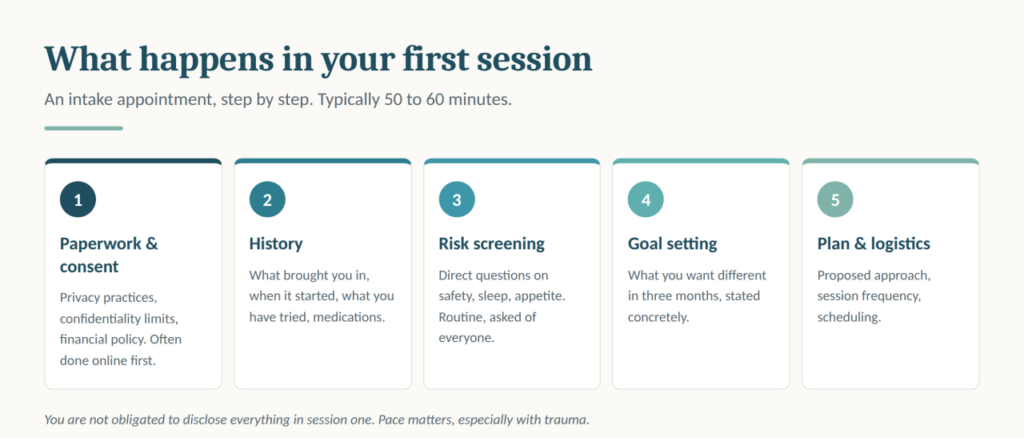
Figure 1. The five stages of an intake appointment at Harmonyville
You are not obligated to disclose everything in session one. Pace matters, particularly with trauma, and a good clinician will say so out loud.
One thing worth knowing: fit is a legitimate clinical variable, not a matter of politeness. If a therapist does not feel like the right match after two or three sessions, saying so is useful information, and a well-run practice will help you switch rather than take it personally.
What types of individual therapy are used for anxiety and depression?
Most clinicians work from one or more of these evidence-based approaches:
- Cognitive Behavioral Therapy (CBT): identifies and tests the thought patterns driving a mood or behavior. Structured, often includes between-session practice. Commonly used for anxiety, depression, and insomnia
- Exposure and Response Prevention (ERP): a specific CBT variant that is the standard approach for OCD and many phobias
- Eye Movement Desensitization and Reprocessing (EMDR): a structured protocol for processing traumatic memory. Frequently used for PTSD and single-incident trauma
- Acceptance and Commitment Therapy (ACT): builds psychological flexibility and values-based action rather than arguing with thoughts directly
- Dialectical Behavior Therapy (DBT) skills: distress tolerance, emotion regulation, and interpersonal skills. Useful for intense emotional swings and self-harm urges
- Psychodynamic therapy: examines recurring relational patterns and their origins. Less structured, often longer term
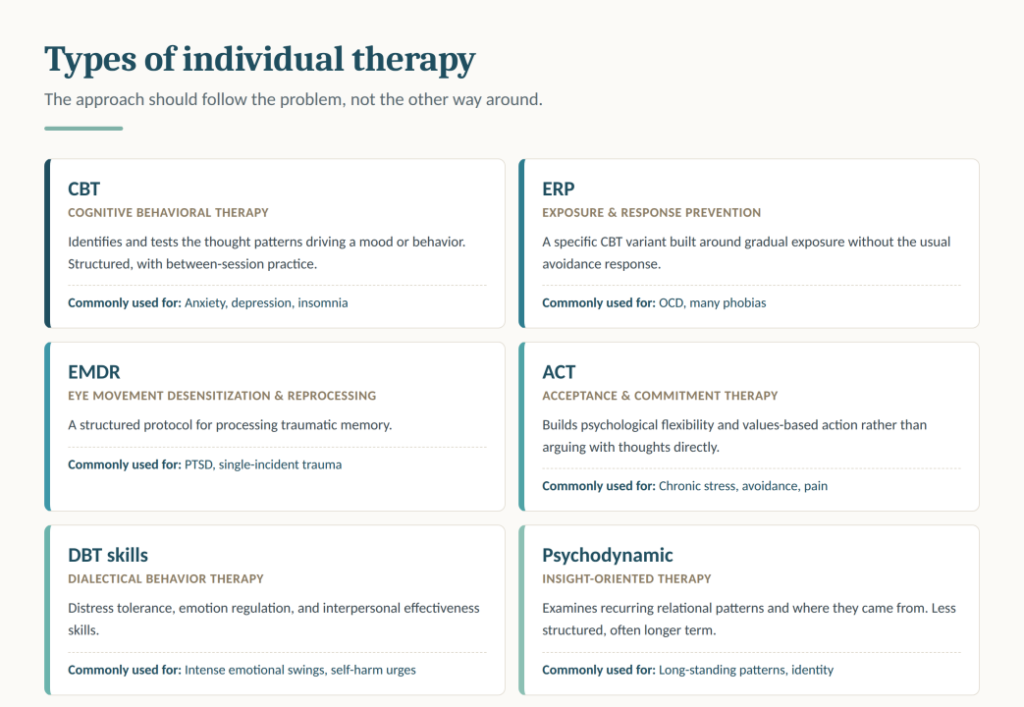
Figure 2. Six approaches used in individual therapy and what each is commonly used for
The approach should follow the problem. If a clinician offers only one modality regardless of what you bring in, ask why.
How long does individual therapy take?
It depends on scope, and the honest answer ranges widely:
- Focused, single-issue work (a specific phobia, adjustment to a life event): often 6 to 12 sessions
- Anxiety or depression treatment with a structured protocol: commonly 12 to 20 sessions
- Trauma processing or long-standing patterns: typically 6 months or longer
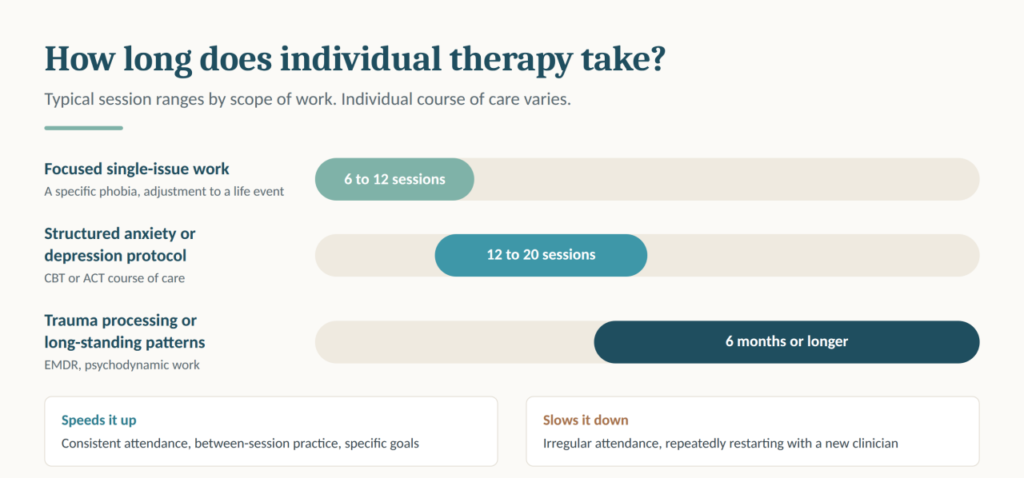
Figure 3. Typical length of care by scope of work. Individual courses of treatment vary
What speeds it up: attending consistently, doing between-session practice, and being specific about goals. What slows it down: irregular attendance, and starting over with a new clinician repeatedly.
You should be able to ask your clinician at any point how they think treatment is progressing and what would signal it is time to wrap up. A vague answer to that question is a reasonable thing to push on.
How much does individual therapy cost in Texas?
Costs vary by clinician license level, setting, and insurance status. Before your first appointment, get answers to these four questions:
- Is the practice in network with your specific plan, not just your insurance company
- What is your behavioral health copay or coinsurance, and has your deductible been met
- What is the self-pay rate per session if you go out of network
- What is the cancellation window and fee
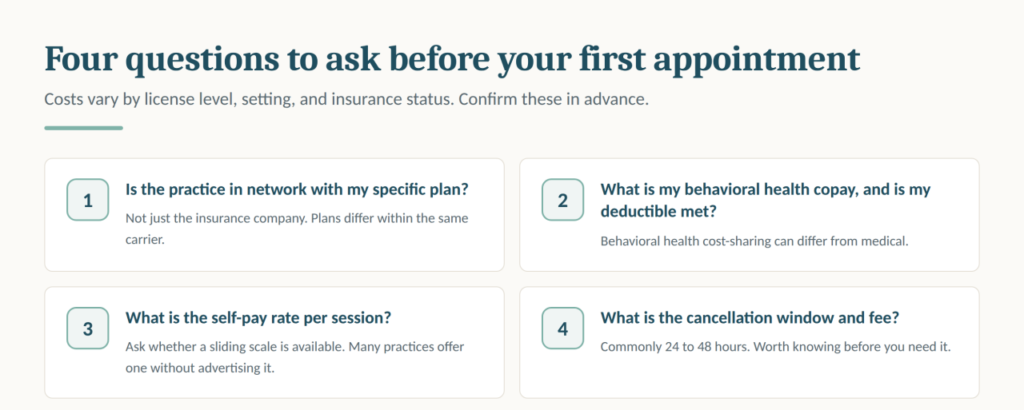
Figure 4. Four cost questions to resolve before your first appointment
Two practical notes. Federal parity rules generally require plans that cover mental health to cover it comparably to medical care, but plan details differ, so verify with your own member services line. And if you are paying out of pocket, ask whether the practice offers a sliding scale, which many do without advertising it.
What if talk therapy alone has not worked?
Some people complete a full course of therapy, try more than one medication, and still have persistent symptoms. That situation has a clinical name, treatment-resistant depression, and it does not mean you are out of options or that you did therapy wrong.
At that point a psychiatric evaluation may look at additional treatments, including transcranial magnetic stimulation (TMS) or ketamine-assisted treatment. Both are delivered under medical supervision, both require an eligibility screening first, and neither replaces therapy. They are typically used alongside it.
Eligibility is determined individually through a consultation, and it depends on your diagnosis, treatment history, and medical history. If ongoing therapy has not produced the change you were working toward, that is worth raising directly with your clinician rather than stopping treatment.
Learn more about TMS therapy and ketamine-assisted treatment.
Is telehealth therapy as effective as in person?
For most common concerns, research to date has found video therapy comparable to in-office sessions for anxiety and depression. Practical differences that actually matter:
- Telehealth works well for: ongoing CBT and ACT, tight work schedules, no reliable childcare, a long drive across the Metroplex
- In person is often better for: first intakes, EMDR and other trauma protocols, higher acuity or safety concerns, and anyone without private space at home
- Licensing: your clinician must be licensed in Texas, and you generally need to be physically located in Texas during the session
A mixed schedule is common and usually easy to arrange. Ask about it at intake instead of choosing one format permanently.
How do I choose a therapist in Mansfield or McKinney?
Mansfield and McKinney sit roughly 60 miles apart on opposite ends of DFW, so “nearby” means different things depending on which side you are on. Filter on these, in order:
- License and scope: verify the license is active and in good standing through the Texas Behavioral Health Executive Council
- Specialty match: does this clinician actually treat your primary concern, with training in the relevant protocol
- Insurance and cost: confirmed against your specific plan
- Logistics: commute, telehealth availability, and appointment times that survive your actual work schedule
- Availability: ask about the wait for a first appointment and for a recurring weekly slot. A great fit you can only see monthly may serve you worse than a good fit you can see weekly
Then judge fit over the first two or three sessions: do you feel heard, is there a plan, and is anything changing.

Booking an appointment
Harmonyville offers individual therapy at our Mansfield office (1759 Broad Park Cir S, Suite 101, Mansfield, TX 76063) and our McKinney office (1400 N. Coit Road, Suite 1803 and 1804, McKinney, TX 75071), plus telehealth across Texas. Request an intake consultation online or call 682-341-3040 (Mansfield) or 682-708-2797 (McKinney).
This article is general educational information and is not a substitute for individualized assessment, diagnosis, or treatment by a licensed clinician. Treatment approaches, session counts, and outcomes vary by person. If you have urgent concerns about your safety, call 988 or seek emergency care.