The best jobs for veterans with PTSD or anxiety are usually predictable, low-noise roles with clear expectations and real control over schedule and surroundings. Skilled trades, IT and cybersecurity, logistics, remote analyst work, and animal care come up often. Fit matters more than job title, and treatment tends to widen the list of jobs that work.
You made it eleven months at the warehouse before the forklift backup alarm stopped being background noise. Nobody at work knows why you started parking at the far end of the lot, or why you take your lunch in the truck. The job itself was fine. The room it happened in was not.
That distinction matters more than most career advice admits. The best jobs for veterans with PTSD are rarely defined by the work itself. They are defined by the room, the schedule, and the people in it.
On this page:
- What makes a job workable when you have PTSD or anxiety
- Which jobs for veterans with PTSD tend to work best
- Which work environments cause the most trouble
- What workplace accommodations you can request
- Whether you have to tell your employer
- When the symptoms, not the job, are the problem
- Frequently asked questions
What makes a job workable when you have PTSD or anxiety?
Before looking at any job title, check it against these: Most lists of jobs for veterans with PTSD open with job titles. Start with conditions instead.
- Predictability. A schedule you know a week out beats a job that texts you at 9pm about tomorrow.
- Sensory load. Sudden noise, crowded floors, flashing lights, and blind corners drive more resignations than difficulty does.
- Control over your position in a room. Sitting facing the door, or stepping outside for two minutes without asking, is not a small thing.
- Clear expectations. Ambiguous performance standards feed rumination. A defined scope does not.
- A manager who handles a bad day like a professional. This is the variable most likely to decide whether you stay.
- Recovery time between shifts. Rotating nights and back-to-back doubles wreck sleep, and broken sleep worsens every other symptom.
Triggers are specific to your history, so no list beats your own. A combat medic and a supply sergeant can have the same diagnosis and completely different deal breakers. Write down the last three times work went badly and look for what they shared.
Which jobs for veterans with PTSD tend to work best?
These categories come up repeatedly because they match the criteria above, not because they are easy: Treat them as starting points for a shortlist of jobs for veterans with PTSD, not as a ranking.
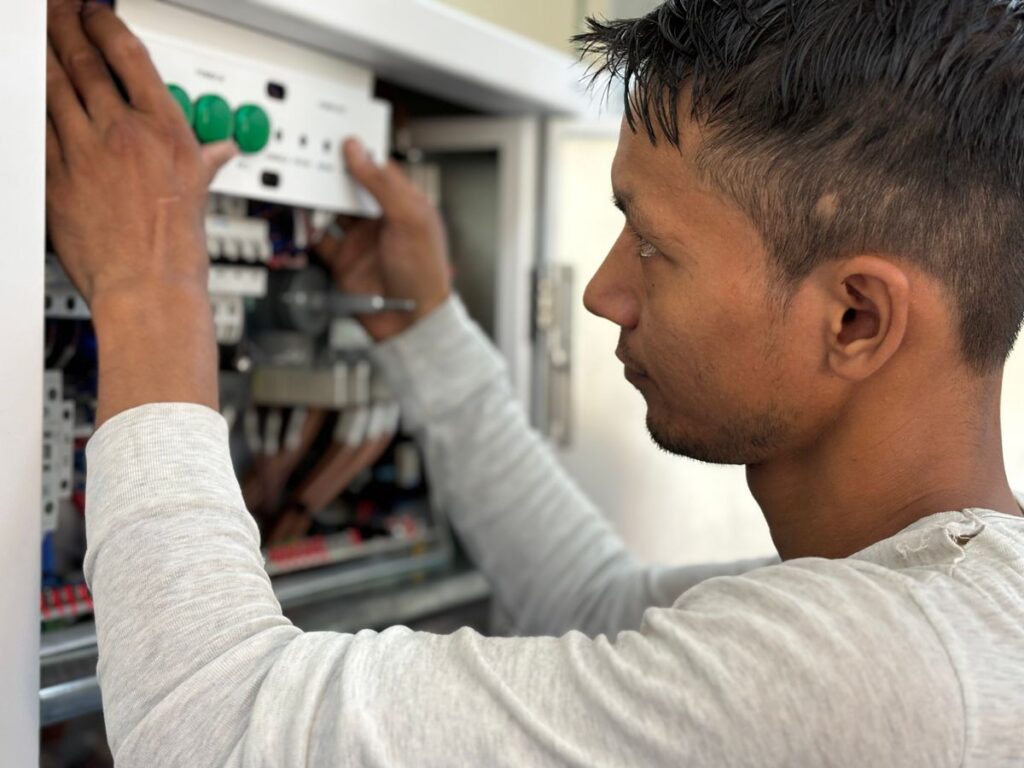
- Skilled trades: electrician, HVAC, plumbing, welding, machining. Concrete tasks, visible progress, often a small crew, and Texas demand is steady.
- IT and cybersecurity: network administration, security operations, help desk. Clearance experience transfers directly, and much of the work is structured and independent.
- Logistics and transportation: dispatch, inventory, warehouse lead, CDL routes. Solo driving suits some veterans well and others badly, so be honest about which you are.
- Data and analysis: GIS, quality assurance, claims review, technical writing. Quiet, defined, and frequently remote.
- Animal-related work: veterinary tech, grooming, training, boarding. Low interpersonal demand and a rhythm many people find steadying.
- Grounds, landscaping, and conservation: outdoor, physical, and free of the sensory pileup of an indoor plant floor.
- Peer support roles: peer specialist, veteran service officer, benefits counselor. Meaningful for some, too close to the material for others, particularly early in treatment.
- Self-employment in a trade: maximum schedule control, minimum income stability. A real option, but not a first move during an unstable stretch.
One caution. Avoid picking a career purely to route around symptoms. A job that fits your skills and pays what you need, with accommodations layered on, usually outlasts a job chosen only because it was quiet. The strongest jobs for veterans with PTSD still have to pay the mortgage.
Which work environments cause the most trouble for veterans with PTSD?
The pattern across roles veterans leave:
- Unpredictable loud noise, especially sudden metallic or percussive sounds
- Crowds with no clear exit, including retail floors and event work
- High-conflict customer contact
- Rotating or overnight shifts that prevent a stable sleep schedule
- Zero autonomy paired with constant monitoring
- Anniversary-heavy calendars, such as roles built around holidays or memorials
None of these rule a job out permanently. They tell you what to negotiate before you accept an offer.
What workplace accommodations can veterans with PTSD request?
Under the Americans with Disabilities Act, PTSD and anxiety disorders can qualify as disabilities, and covered employers are required to consider reasonable accommodations. Common ones:
- A modified or consistent shift schedule
- A workstation away from high-traffic walkways, or facing the entrance
- Noise-canceling headphones, or a quieter room for focused work
- Short breaks to use grounding or breathing techniques
- Leave for therapy and psychiatry appointments
- Written instructions instead of verbal-only direction
- A support animal, where it meets the employer’s policy and the law
You request an accommodation from HR or your supervisor, not from a coworker. The employer can ask your clinician for documentation confirming a limitation and the need, but cannot demand your full medical record (EEOC; Job Accommodation Network). Framed that way, accommodations turn ordinary roles into workable jobs for veterans with PTSD.
Veterans with a service-connected rating may also qualify for VA Veteran Readiness and Employment, which covers retraining and job placement. Check it before paying for a certificate program out of pocket (VA).

Do you have to tell your employer you have PTSD?
No. Disclosure is your choice, with three practical points:
- You do not have to disclose to be hired. Employers cannot ask about a disability before making an offer.
- You generally do have to disclose a limitation to get an accommodation, though you can describe the limitation without naming the diagnosis.
- Telling HR is not the same as telling your team. Medical information you give HR is meant to stay confidential.
Veterans often ask us whether disclosing will cost them the promotion track. There is no universal answer. What we can say is that people who go in with a specific written request, such as a fixed schedule or a relocated workstation, tend to do better than people who disclose in general terms during a bad week. It is a fair question, and it is one reason we talk about disclosure before we talk about jobs for veterans with PTSD.
What if the symptoms are the problem, not the job?
Some signs that changing jobs will not fix what is happening:
- The same pattern has repeated across three or more workplaces
- Sleep is broken most nights regardless of shift
- You are drinking or using something to get through the week
- Irritability is affecting people at home, not only at work
- You keep narrowing your life to avoid reminders
PTSD and anxiety respond to treatment. Trauma-focused therapies such as cognitive processing therapy, prolonged exposure, and EMDR have the strongest research support, and medication helps many people alongside therapy rather than instead of it (National Center for PTSD; NIMH). Our clinicians in Mansfield and McKinney see veterans who spent years rearranging work around symptoms before treating them. The job search usually gets easier in the other order. Treatment tends to widen the range of jobs for veterans with PTSD rather than narrow it.
Treatment and career planning work better together than either does alone. Harmonyville offers individual therapy for trauma and PTSD, anxiety disorder treatment, and psychiatry and medication management under one practice, plus telehealth if a clinic waiting room is its own problem. Many veterans start weekly therapy while staying in their current role, then reassess the job once sleep, startle response, and irritability have settled.
If you are already established with VA care, you can use community mental health alongside it. Coordination between providers is routine and worth setting up deliberately.

How do you search for jobs for veterans with PTSD without starting over?
Most veterans do not need a new career. They need a different version of the one they already have. Before you enroll in a certificate program or accept a pay cut, work through this sequence. It also keeps the search for jobs for veterans with PTSD from turning into a series of restarts.
- Name the trigger, not the industry. Write down the three specific things that made the last job unworkable: the rotating 5am start, the open floor, the supervisor who corrected you in front of the crew. That list screens roles faster than any list of jobs for veterans with PTSD, including this one.
- Screen the environment before the title. In the interview, ask to walk the actual floor, ask how far in advance schedules are published, and ask what happens when someone calls out. The answers tell you more than the job description does.
- Use veteran-specific hiring channels. Texas Workforce Commission veteran representatives and the Department of Labor Veterans Employment and Training Service screen for fit rather than volume, and American Job Centers can pull local employer partners who already hire veterans.
- Translate your MOS honestly. A 25B is a network administrator. An 88M is a logistics and transportation professional. Civilian recruiters will not make that jump for you, and a resume written in military shorthand gets filtered out before a human reads it.
- Line up treatment before the start date, not after. The first 90 days in a new role are the highest-load stretch you will have. Starting therapy in month four, after symptoms have already cost you a probation review, is the common pattern worth breaking.
One more thing worth saying plainly: a pay cut is not the price of a calmer job. Skilled trades, cybersecurity, and dispatch roles frequently pay at or above what veterans earned in high-tempo logistics work. Low-stress does not have to mean low-paid, and the roles that last are usually the ones that pay well enough to take money off the list of things keeping you up at night. Pay is part of fit, and the best jobs for veterans with PTSD are the ones you can hold for years.
Frequently asked questions
Can you get a job with PTSD?
Yes. PTSD is not a bar to employment in most fields, including many that require a security clearance. Seeking mental health treatment is not, by itself, a clearance disqualifier. Certain safety-sensitive roles have medical standards that may apply, decided case by case. Plenty of jobs for veterans with PTSD are in fields that require clearances, licences, and background checks.
What jobs should veterans with PTSD avoid?
There is no universal list. The environments that cause the most trouble are unpredictable noise, crowds without a clear exit, high-conflict customer contact, and rotating overnight shifts. Whether a specific job includes those matters more than its title. Screen the environment first, then build your own list of jobs for veterans with PTSD from it.
Are remote jobs better for veterans with anxiety?
Sometimes. Remote work removes commute stress and sensory load. It also removes routine and social contact, which can worsen depression and make avoidance easier. Hybrid arrangements suit many veterans better than either extreme. For some veterans, remote roles are the easiest jobs for veterans with PTSD to sustain; for others they are the hardest.
Does the VA help veterans find work?
Yes. Veteran Readiness and Employment (Chapter 31) covers retraining and job placement for veterans with a service-connected rating, and VA medical centers run supported employment programs. Eligibility depends on your rating and circumstances. It is worth using before you pay out of pocket for training toward jobs for veterans with PTSD.
Are jobs for veterans with PTSD lower paying?
Not inherently. Several of the categories above, including electrical work, HVAC, security operations, and dispatch, pay at or above the median for the Dallas-Fort Worth area. What usually drops is overtime volume, not hourly rate. If a role requires a genuine pay cut, weigh it against the cost of turnover, unpaid leave, and repeated job searches. Low-stress and low-paid are not the same thing when it comes to jobs for veterans with PTSD.
Can an employer fire you for having PTSD?
Not for the diagnosis itself. Under the ADA, a covered employer cannot terminate someone because of a disability, and must consider reasonable accommodation. An employer can still act on performance or conduct, which is why requesting accommodations early, in writing, matters more than disclosing a diagnosis late. For a specific situation, talk to an employment attorney rather than relying on a general article.
If you need help right now
If you are thinking about harming yourself, call or text 988 and press 1 for the Veterans Crisis Line, available 24/7, or text 838255. You do not need to be enrolled in VA care to use it. If you are in immediate danger, go to your nearest emergency department.
This article is general educational information and is not a substitute for individualized assessment, diagnosis, or treatment by a licensed clinician, and it is not legal or employment advice. If you have urgent concerns about your safety, call 988 or seek emergency care.
Talk to someone about the symptoms, not just the schedule
Harmonyville treats PTSD, anxiety, and depression in adults at our Mansfield and McKinney offices, with psychiatry and therapy under one practice. Request an appointment at harmonyvillepsych.com/request-an-appointment or call MANSFIELD: Call (682) 341-3040 or MCKINNEY: Call (682) 708-2797.
If you are weighing jobs for veterans with PTSD while symptoms are still running the day, start with the symptoms. Learn more about psychiatry and medication management, individual therapy, and our Mansfield and McKinney offices, or request an appointment online.