
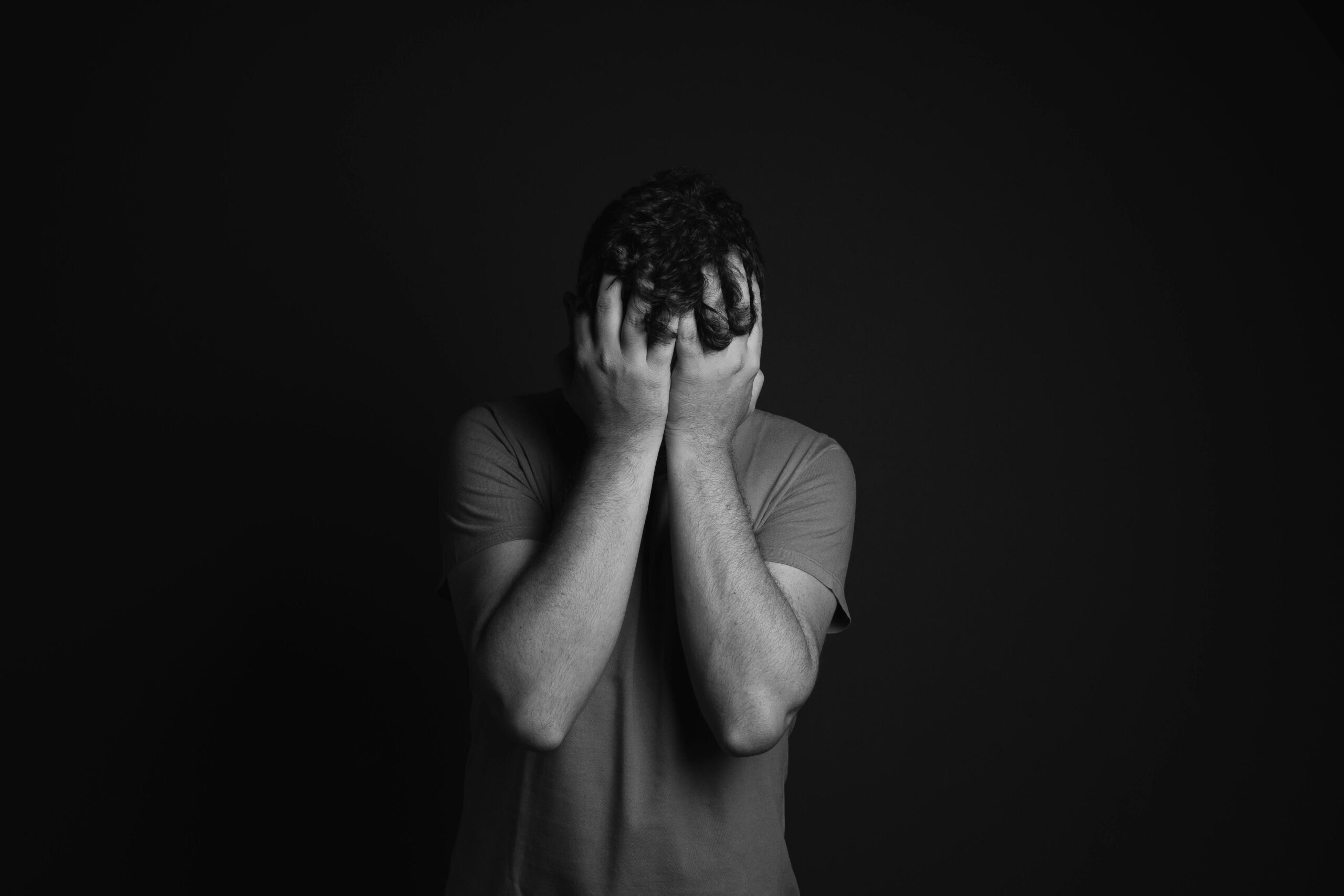
When people think about depression, they often picture sadness, low energy, or withdrawal. But what if depression doesn’t look like sadness at all? For many individuals, depression shows up as irritability, frustration, or even intense anger, and it often goes unrecognized. In fact, research suggests that up to 40% of people with major depressive disorder experience significant irritability or anger symptoms, making it far more common than most people realize.
Understanding this connection can be the first step toward real healing.

Is Anger a Sign of Depression?
Yes—anger can absolutely be a symptom of depression.
While sadness is the most well-known sign, depression affects how the brain processes emotions, often creating a negative emotional bias. This means situations can feel more frustrating, reactions more intense, and thoughts about yourself or the future more negative than they objectively are.
What many people don’t realize is just how common anger and irritability are in depression. Large clinical studies have found that around 40% of individuals with major depressive disorder report significant irritability or anger symptoms. Other research suggests this number may be even higher—up to 40–50% of adults with depression experience ongoing irritability, with some also experiencing anger outbursts.
This isn’t just a minor symptom. Studies show that depression with irritability is often linked to:
- Greater severity of depression
- Higher levels of anxiety and emotional distress
- Lower quality of life and functioning
- Increased risk of suicide attempts
In other words, anger isn’t separate from depression, it’s often a core part of how depression presents, especially when emotional pain becomes overwhelming or difficult to process.
For some people, this internal struggle turns into sadness.
For others, it comes out as irritability, frustration, or anger outbursts—which is why it’s so often misunderstood or overlooked.
Signs That You Have Depression-Related Anger
Anger linked to depression doesn’t always look obvious. It can show up in subtle—or very intense—ways.
If you’re trying to determine whether anger a sign of depression applies to you, these signs can help you recognize the connection.
Common Signs Include:
- Irritability
Feeling constantly on edge or easily annoyed by small things
- Short temper
Reacting quickly and intensely to minor frustrations
- Frequent anger outbursts
Yelling, slamming doors, or overreacting in situations
- Self-directed anger
Harsh self-criticism like “I’m not good enough” or “I always mess things up”
- Sensitivity to criticism
Taking feedback personally or feeling attacked easily
- Physical tension
Headaches, tight muscles, clenched jaw, or fatigue
- Risky or self-sabotaging behavior
Acting out, withdrawing, or engaging in harmful habits
In some cases, anger is turned inward rather than expressed outwardly—leading to guilt, shame, or self-harm behaviors.
How Anger and Depression Affect Your Life
Unchecked anger doesn’t simply fade—it often becomes part of a cycle that can intensify depression and impact multiple areas of your life. What may start as frustration can gradually affect how you think, feel, and connect with others.
Here’s how this cycle can show up:
Worsening depressive symptoms
Anger and depression often reinforce each other. After an outburst or moment of irritability, it’s common to feel guilt, regret, or self-criticism. Over time, this can deepen feelings of hopelessness, low self-worth, and emotional exhaustion, making it harder to break free from depressive patterns.
Strained relationships
Ongoing irritability or emotional reactivity can create distance in relationships. Misunderstandings, conflict, or withdrawal may leave you feeling isolated—while also making it harder for others to understand what you’re going through. This lack of connection can further intensify feelings of loneliness and depression.
Physical health effects
Anger doesn’t just affect your emotional well-being—it also impacts your body. Chronic stress and irritability are linked to:
- Increased blood pressure
- Sleep disturbances
- Elevated stress hormones
Over time, this can leave you feeling physically drained, tense, and less able to cope with everyday challenges.
Increased anxiety and emotional overwhelm
When anger and depression occur together, they can heighten your overall stress response. You may feel constantly on edge, worried about losing control, or overwhelmed by your emotions—making it more difficult to find a sense of calm or stability.
Why Anger in Depression Is Often Overlooked
Anger doesn’t “fit” the typical image of depression—and that’s one of the main reasons it’s often missed.
If you’ve ever asked yourself, “is anger a sign of depression,” you’re not alone. Many people overlook this connection simply because anger doesn’t match the stereotype of what depression is supposed to look like.
Because of this:
- Many people don’t recognize their symptoms as depression
- Some feel ashamed of their anger and suppress it
- Even clinicians may initially focus more on sadness than irritability
But suppressing anger doesn’t make it disappear—it often intensifies emotional distress over time and can worsen depressive symptoms.
From a clinical standpoint, this connection is clearly recognized. The Diagnostic and Statistical Manual of Mental Disorders (DSM-5) states that depressed mood may present as “irritable mood” rather than sadness, particularly in children and adolescents (American Psychiatric Association, 2013).
Supporting this, research published in Child and Adolescent Psychiatric Clinics of North America highlights that irritability is a core feature of depression in younger populations and is increasingly recognized as clinically significant in adults as well (Stringaris et al., 2018).
Additionally, studies on emotional suppression show that inhibiting or suppressing emotions like anger is associated with increased depressive symptoms and poorer psychological outcomes over time (Joormann & Stanton, 2016).
Because anger presents differently from sadness, it’s often misunderstood—not just by individuals, but sometimes within clinical settings as well. Recognizing irritability as part of depression is essential for accurate diagnosis, reduced stigma, and more effective treatment.

Anger Is a Signal | What It’s Trying to Tell You
Anger doesn’t make you a bad person.
It’s a signal—often pointing to pain that hasn’t been fully understood or addressed.
By recognizing anger as a possible symptom of depression, you can begin to:
- Understand what you’re feeling
- Break the cycle of frustration and guilt
- Take meaningful steps toward healing
When Should You Seek Professional Help for Anger and Depression?
Experiencing occasional anger is part of being human. But when anger becomes persistent, intense, or difficult to control—especially alongside symptoms of depression—it may be a sign that professional support is needed.
Recognizing that anger a sign of depression can be part of your experience is an important step toward getting the right care.
You should consider seeking help if your anger is:
Paired with feelings of hopelessness or self-harm
When anger is directed inward, it may show up as self-criticism, guilt, or harmful coping behaviors. This combination is particularly important to take seriously and address early.
Affecting your relationships
Frequent irritability, arguments, or emotional outbursts can strain connections with partners, family members, friends, or coworkers. Over time, this can lead to isolation, which may worsen depressive symptoms.
Interfering with daily life
If anger is impacting your ability to focus, work, study, or manage responsibilities, it’s more than just a temporary emotional reaction—it may be part of an underlying mental health condition.
Leading to aggressive or harmful behavior
This includes verbal aggression (yelling, harsh language), physical expressions (throwing objects), or impulsive actions you later regret. These behaviors can escalate if left unaddressed.
Compassionate Support at HarmonyVille
At HarmonyVille, we understand that depression doesn’t always look like sadness—and that anger can often be a sign of deeper emotional pain.
Our care is rooted in both clinical expertise and genuine human connection, offering personalized treatment plans tailored to your unique experience, evidence-based therapies designed for lasting change, and a calm, safe, and supportive environment where you feel heard and respected.
We work alongside adolescents and adults to help them better understand their emotions, build healthier coping strategies, and move toward real, sustainable healing.
You don’t have to carry anger and depression on your own. With the right support, it’s possible to find clarity, regain emotional balance, and reconnect with yourself and others in a healthier way.
At HarmonyVille, every journey is unique—and we’re here to walk that path with you.
If you’re still asking yourself, “is anger a sign of depression,” know that support is available, and you don’t have to face it alone.
Reach out today to get started with compassionate, personalized, and evidence-based mental health care.